Introduction
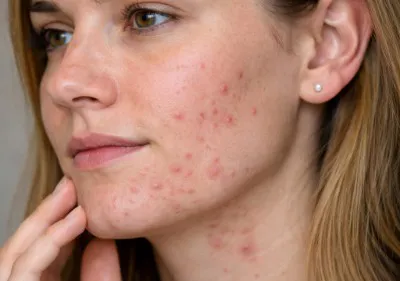
Acne is a chronic inflammatory disease of the sebaceous hair follicles. Each follicle contains a tiny hair and multiple sebaceous glands.
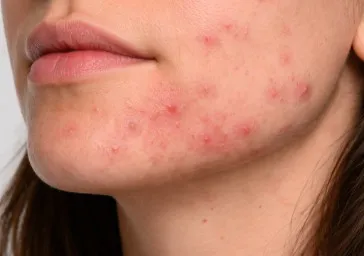
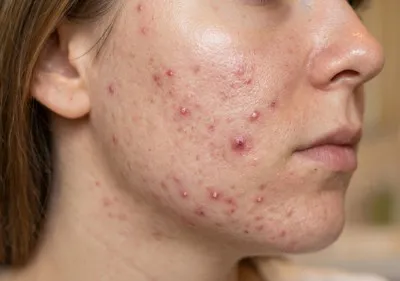
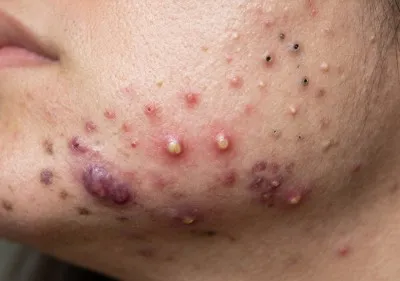
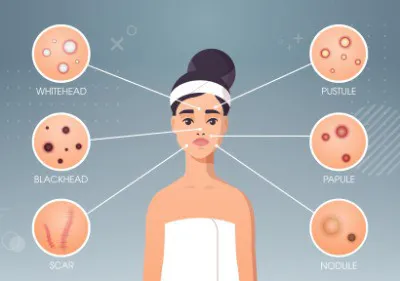
Under normal circumstances, sebum, the oily substance made by the sebaceous glands, travels up the hair follicle and out to the skin`s surface. Acne vulgaris is caused by an excessive amount of oil production by the skin, blockage of the openings to the oil producing glands (resulting in tiny blackheads) and also due to a bacterium, Propionibacterium acnes (P. acnes) which causes inflammation in the blocked glands. These three factors seem to work together in order to produce the red and yellow spots so characteristic of acne.
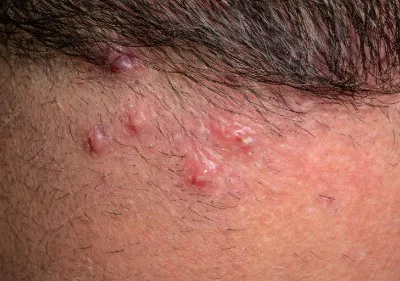
Occasionally these spots can develop into large cysts (so called nodular or cystic acne) which often results in scarring.
Although a bacterium is involved, acne cannot be caught from other people.
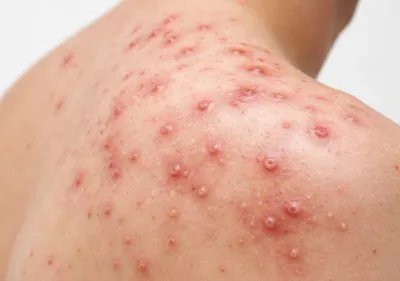
Acne develops on those areas of the skin where sebaceous glands are most numerous: the face, scalp, neck, chest, back, and upper arms and shoulders.
LDM® Triple
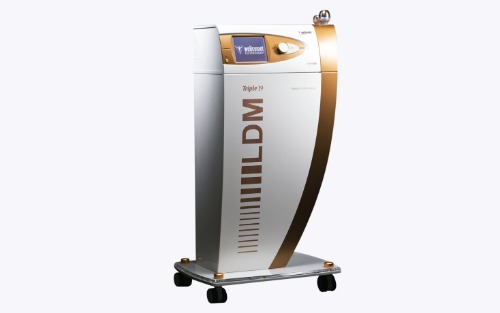
LDM® Triple is a non-invasive ultrasound-based treatment used in aesthetic and dermatology clinics to support skin health, tissue regulation, and the Treatment of Acne-Prone or inflamed skin. This guide is for anyone trying to understand what it is, how it works, and whether it may be relevant to their skin concern.
- What LDM® Triple is, and how it differs from standard cosmetic ultrasound
- Which skin concerns it is commonly used for, including Acne and early ageing-related concerns
- What to consider around suitability, comfort, risks, pricing and provider choice
Visit Website
What Is Acne?
Learn what acne is, how it develops in the skin, and why it appears in different forms. A clear guide to causes, spot types and acne severity.
Acne is a common inflammatory skin condition that affects the hair follicles and oil-producing glands of the skin. Although it is often described simply as “spots” or “breakouts”, acne can develop in several different forms and levels of severity. Understanding what acne is and how it develops is an important first step before exploring skincare advice, medical treatment, or professional skin therapies.
For many people, the difficulty is not recognising acne but interpreting the wide range of information surrounding it. Breakouts can appear on the face, chest, back, shoulders, or other areas of the body, and may range from blocked pores to deeper inflammatory lesions. These differences often determine whether acne can be managed with skincare alone or whether medical or clinic-based support is appropriate.
This guide is written for readers who want a clear, evidence-aware explanation of acne before considering treatment options. It outlines how acne forms in the skin, the different types of lesions it can produce, and how severity is typically assessed when clinicians evaluate the condition.
The aim is to provide a reliable starting point rather than a final answer. Acne is usually assessed by examining the types of lesions present, the areas affected, and the overall inflammatory pattern.
If you would like to understand these factors in more detail, the sections below explain how acne develops and why it can appear differently in different people.
Read the full guide: Causes, Types And How It Develops What Is Acne?
Acne Develops in the Skin
Learn how acne develops in the skin, including blocked pores, oil production and inflammation, and why breakouts occur in different areas.
Acne is a common skin condition, yet the way it develops is often misunderstood. Breakouts are not simply surface blemishes. They begin within the hair follicle, where oil production, skin cell turnover, bacteria and inflammation interact over time.
Understanding this process can help explain why acne appears in certain areas, why severity varies between individuals, and why different treatments are used in skincare and clinical practice. This page is intended for readers who want a clear explanation before exploring treatment options or professional advice.
The guide outlines how acne develops beneath the skin, what influences breakouts, and how these factors shape treatment decisions in UK dermatology and aesthetic care.
If you would like a clearer understanding of what is happening in the skin, the sections that follow explain the key stages of acne development step by step.
Read the full guide: Understanding How Acne Develops in the Skin
Types of Acne
Learn about the different types of acne, including blackheads, papules, pustules and cysts. Understand symptoms and how acne is classified.
Understanding the different types of acne and their symptoms is an important step in making sense of breakouts. Although acne is often discussed as a single condition, it can appear in several forms, from blocked pores such as blackheads and whiteheads to deeper inflammatory lesions that behave very differently on the skin.
For many people, this is where confusion begins. The appearance of acne spots, the areas of the body affected, and the severity of inflammation can all vary. These differences influence how acne is classified in clinical practice and why certain treatments are recommended while others are not.
This guide is designed for readers who want a clearer picture of how acne is identified and described. It explains the main types of acne lesions, the symptoms commonly associated with them, and how healthcare professionals assess acne severity. It also explores conditions that may resemble acne but develop for different reasons.
The aim is not to diagnose or recommend treatment, but to help you understand how acne behaves and why classification matters when discussing care with a professional.
In dermatology and aesthetic practice, identifying the type of acne present is usually the first step in deciding what support or treatment approach may be appropriate.
If you would like to explore this topic in more depth, the guide below explains the different types of acne and their symptoms.
Read the full guide: Understanding The Different Types of Acne
Acne Breakouts
Learn what causes acne breakouts, including hormones, oil production, and blocked pores. A clear guide to understanding why acne develops in the skin.
Acne breakouts are often attributed to a single trigger, yet the reality is usually more complex. This guide explains what causes acne, helping you understand why breakouts develop and why they can vary so widely between individuals.
Acne can feel unpredictable, breakouts may appear during hormonal changes, after using certain skincare products, or seemingly without an obvious reason. Understanding the causes of acne breakouts matters because it helps explain why some treatments work for some people but not for others. Without that context, it can be difficult to know which advice, products, or treatments are worth considering.
This page is designed for anyone who wants a clear explanation of why acne occurs, whether you are experiencing occasional spots, persistent breakouts, or adult acne that has appeared later in life. It is particularly relevant if you are researching treatment options and want to understand the underlying factors first.
Acne is assessed in clinical practice by examining the type and severity of lesions, as well as potential contributing factors. Because several processes often interact, identifying the cause is usually the first step before choosing treatment.
If you would like to understand these factors in more detail, the in-depth guide below explains the main causes of acne and how they influence different types of breakouts.
Read the full guide: What Causes Acne Breakouts
Acne
Understand facial acne, including causes, lesion types, and treatment pathways used in the UK. A clear guide to breakouts on the forehead, cheeks, and jawline.
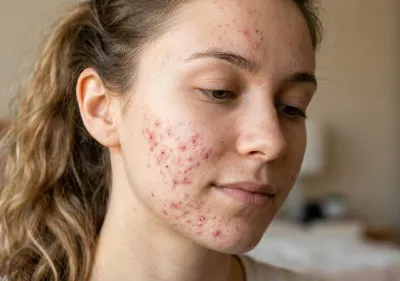
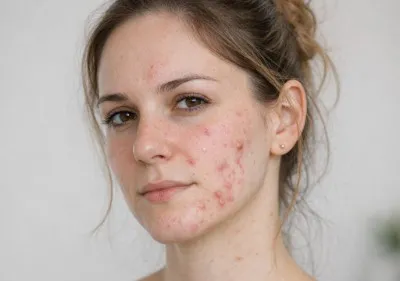
Facial acne refers to acne that develops on the skin of the face, including the forehead, cheeks, chin, and jawline. It is one of the most common skin concerns people experience, yet it can be difficult to understand because breakouts vary in pattern, severity, and underlying cause.
Facial acne raises practical questions: why do breakouts appear in certain areas of the face? Are they linked to hormones, skincare products, or lifestyle factors? And at what point might professional advice or treatment be worth considering? Understanding these factors can help people approach acne management with clearer expectations and more informed choices.
This guide is designed for people who want a balanced explanation of facial acne before deciding how to manage it. It may be particularly useful for adults experiencing new or persistent breakouts, or for anyone comparing skincare, pharmacy treatments, and professional options.
Like many skin conditions, facial acne often involves several contributing factors. The aim of this guide is to explain those factors clearly and reflect how acne is typically assessed and treated in clinical practice.
If you would like a clearer understanding of facial acne and the options available to manage it, the following guide provides a structured overview.
Read the full guide: Facial Acne
Acne
Learn what causes back acne, how it differs from other skin conditions, and which skincare, medical, and clinic treatments may be used to manage bacne.
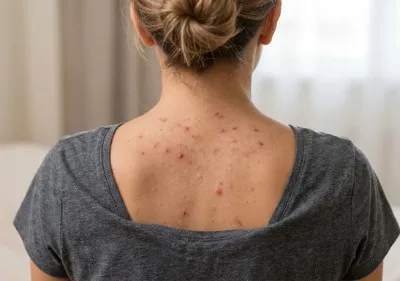
Back acne, often called bacne, refers to acne that develops on the back and shoulders. Although the underlying causes are similar to facial acne, the back presents its own challenges. The skin is thicker, oil glands are highly active, and factors such as sweat, friction from clothing, and difficulty reaching the area can all influence how breakouts develop and respond to treatment.
Bacne can be confusing to manage; breakouts may appear suddenly, persist despite good skincare, or resemble other skin conditions such as folliculitis. Understanding what is happening beneath the skin can make it easier to decide whether simple skincare adjustments are appropriate or whether medical or professional advice may be helpful.
This guide is designed for readers who want a clear, reliable explanation of back acne before considering treatment. It explores why bacne develops, the different types of back breakouts, and the range of approaches to managing the condition. These may include skincare changes, medical treatments, and, in some cases, professional procedures used in dermatology and aesthetic practice.
The sections that follow explain back acne in more detail, helping you understand the condition, recognise common triggers, and explore options to consider when breakouts persist.
Read the full guide: Back Acne
Acne
A clear guide to chest acne, including causes, symptoms, diagnosis, and treatment options available through skincare, medical care, and clinics.
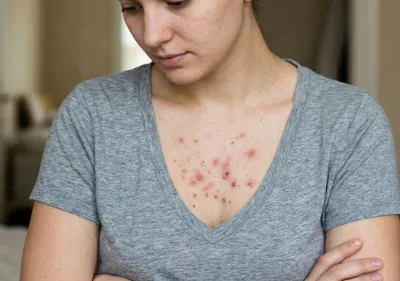
Chest acne refers to acne that develops on the upper chest, an area with naturally active oil-producing glands. Although it follows the same biological process as facial acne, chest breakouts raise different questions about causes, triggers, and treatment options.
For many people, chest acne becomes noticeable during exercise, in warmer weather, or during hormonal changes. It may also appear alongside acne on the face, shoulders, or back. Because several skin conditions can look similar, understanding what chest acne is and what may contribute to it is an important first step before considering treatment.
This guide is written for readers who want a clear, balanced explanation of chest acne. It is particularly useful for those trying to understand why breakouts appear in this area, how they are assessed, and what treatment approaches may be considered through skincare, medical care, or professional clinics.
In clinical practice, acne is assessed by examining the skin, identifying lesion types, and understanding factors that may contribute to inflammation. Treatment decisions are usually guided by this assessment rather than a single standard approach.
If you would like a deeper understanding of how chest acne forms, how it is diagnosed, and the options available to manage it, the full guide below explores each area in more detail.
Read the full guide: Chest Acne
Acne
Learn what causes shoulder acne, how it differs from back or chest acne, and which skincare, medical, and clinic treatments may be considered in the UK.
Shoulder acne refers to breakouts that develop across the shoulders and upper back. Although it shares the same underlying causes as acne on the face or chest, this area can behave differently due to factors such as sweat, friction from clothing, and the difficulty of consistently applying treatments.
For many people, shoulder acne raises practical questions. Is it the same as back acne, or something else, such as folliculitis? Can everyday habits or skincare products make it worse? And when breakouts persist, what treatment options are typically considered in clinical practice?
Within the full guide, you will learn how shoulder acne develops in the skin, why certain triggers are common in this area, and how it differs from other upper-body skin conditions. It also explains the range of skincare, medical, and clinic-based treatment approaches sometimes used in the UK.
The aim is to provide a reliable starting point. While general guidance can help clarify common causes and treatment pathways, individual skin concerns may still require personalised assessment.
Read the full guide: Shoulder Acne
Acne
Learn what causes neck acne, how it differs from other skin conditions, and which treatments are commonly used in the UK for persistent breakouts.
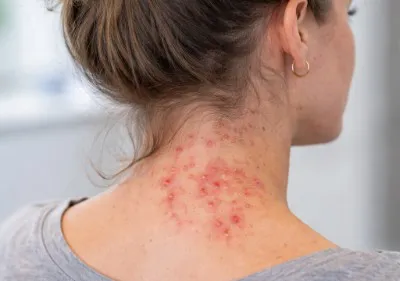
Neck acne refers to breakouts that appear along the jawline, under the chin, and around the sides or back of the neck. While it shares many similarities with facial acne, this area of skin is influenced by additional factors such as friction, shaving, sweat, and hormonal changes. For many people, that can make neck breakouts harder to interpret and sometimes more persistent.
Understanding neck acne matters because the causes are not always straightforward. Spots in this area can be mistaken for irritation, ingrown hairs, or folliculitis, and different triggers may require different treatment approaches. Knowing what may be contributing to breakouts can help guide more appropriate skincare choices and, where needed, medical advice.
This guide is designed for people who want a clear overview of why acne can appear on the neck and how it is usually assessed and managed in clinical practice. It may be particularly useful if you are noticing recurring breakouts in this area or if you are comparing treatment options before deciding whether to seek professional support.
If you want to understand why neck acne develops and which treatment options may be considered, the detailed guide below explains the key factors step by step.
Read the full guide: Neck Acne
Acne
Learn what scalp acne is, what causes it, and how it differs from other scalp conditions. Understand treatment options and when to seek advice.
Scalp acne refers to spots, inflamed bumps, or deeper lesions that develop around hair follicles on the scalp. It can be difficult to recognise and is often confused with conditions such as folliculitis or dandruff, particularly when symptoms are felt more than seen.
This matters because identifying the cause correctly influences how it should be managed. Using unsuitable products or delaying assessment can lead to ongoing irritation, while understanding the difference between acne and other scalp conditions helps guide more appropriate care.
This guide is for anyone noticing persistent scalp breakouts, tenderness, or irritation, and who wants a clear, medically grounded explanation before deciding what to do next. It may be less relevant if symptoms are acute, severe, or linked to another diagnosed scalp condition that is already under treatment.
The aim is to help you understand the condition and the range of available management pathways. Individual treatment decisions will still depend on factors such as severity, medical history, and professional assessment.
If you would like a more detailed breakdown of causes, symptoms, and treatment options, the full guide explores each area step by step.
Read the full guide: Scalp Acne
Acne
Learn what teenage acne is, why it develops, and how it is treated in the UK. Clear guidance on types, triggers, and when to seek professional advice.
Teenage acne is a common skin condition linked to hormonal changes during puberty, often affecting the face, chest, and back. While it is widely recognised, there can be uncertainty around why it develops, how long it lasts, and when treatment is appropriate.
This matters because acne in teenage years can vary significantly in severity, from mild congestion to more persistent or inflamed breakouts. Without clear guidance, it is easy to rely on inconsistent advice or delay treatment that could help reduce longer-term skin changes such as scarring.
This guide is for those looking to understand teenage acne in a structured, evidence-aware way, whether supporting a teenager or reviewing treatment options more broadly. It may be less relevant where acne is already under specialist care or part of a diagnosed medical condition requiring ongoing management.
It focuses on helping you understand what is typical, what varies, and when professional input may be appropriate. Individual treatment decisions should always be based on a clinical assessment.
In UK practice, acne is assessed by severity, skin response, and risk of scarring, with treatment plans reviewed over time to ensure they remain appropriate and effective.
If you want a clearer understanding of teenage acne and how it is managed, the in-depth guide takes you through each stage in a practical, step-by-step way.
Read the full guide: Teenage Acne
Acne
Learn what causes adult acne, how it is diagnosed, and the treatment options available in the UK, including skincare, medical care, and clinic approaches.
Adult acne refers to acne that continues or develops beyond the teenage years, often presenting differently in adulthood. It is a common concern in the UK, particularly among women, and can feel difficult to understand when breakouts persist or appear unexpectedly later in life.
This matters because adult acne often requires a different approach to assessment and treatment. Hormonal patterns, skin sensitivity, and lifestyle factors can all play a role, which means solutions are rarely one-size-fits-all. For many, the challenge is not just managing the skin, but understanding what is actually driving the condition.
This guide is designed for adults who want clear, reliable information before deciding how to manage their acne. It will be most useful if you are experiencing persistent, cyclical, or late-onset breakouts and are unsure whether to adjust your skincare, seek medical advice, or explore clinic-based treatments.
Approaches to adult acne are typically guided by clinical assessment of severity, underlying causes, and treatment response over time. This helps ensure that care is appropriate, proportionate, and reviewed as needed.
If you want to understand your options in more detail, the full guide walks you through each step in a clear, practical way.
Read the full guide: Adult Acne
In Women
Learn how hormonal acne in women develops, what triggers it, and which treatment options are used in the UK, from skincare to medical care.
Hormonal acne in women is a common form of adult acne linked to internal hormonal changes, often affecting the lower face, jawline, and chin. It can behave differently from other types of acne, which is why it is not always responsive to standard skincare alone.
Many women experience persistent or recurring breakouts well beyond their teenage years, often without clear guidance on why it is happening or what to do next. Understanding whether acne is hormonally influenced is an important step in choosing appropriate treatment and avoiding unnecessary trial and error.
This guide is for women noticing cyclical breakouts, ongoing acne in adulthood, or changes linked to life stages such as pregnancy or perimenopause. It may be less relevant for short-term or isolated breakouts without a consistent pattern.
It explores what hormonal acne is, what may be driving it, how it is assessed, and which treatment options are typically considered in the UK, including skincare, prescription treatments, and clinic-based approaches.
If you are trying to understand your skin and decide on the next steps, this page is a starting point. The full guide takes you through each aspect in more detail so you can make informed, confident choices.
Read the full guide: Hormonal Acne In Women
Treatment Options
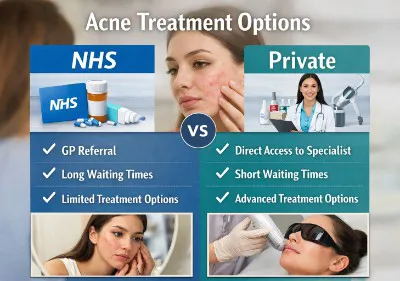
A clear guide to acne treatment options in the UK, explaining pathways, timelines, and when to consider GP or specialist care.
Acne treatment options range from simple skincare and pharmacy products to prescription medications and clinic-based procedures. If you are trying to understand what might be appropriate for your skin, it is common to feel uncertain about where to start or how different treatments fit together.
Acne is not treated in a single way. The right approach depends on factors such as severity, skin type, and how your skin has responded to previous treatments. Choosing too little or too much, or too soon, can lead to frustration, delayed improvement, or unnecessary side effects.
This guide is for anyone looking to understand acne treatments clearly before making a decision, particularly if you are comparing options or considering professional advice. It may be less relevant if you are already under specialist care with an established treatment plan.
Approaches discussed here reflect how acne is managed in clinical practice, where treatments are introduced step by step and reviewed over time to balance effectiveness and safety.
If you would like a clearer understanding of how these options apply to your situation, the full guide takes you through each stage in more detail.
Read the full guide: Acne Treatment Options
Acne Treatment In The Uk
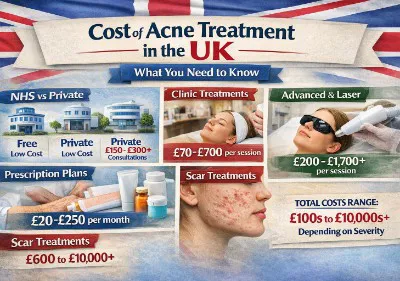
Understand the cost of acne treatment in the UK, including NHS and private options, typical price ranges, and what affects overall costs.
The cost of acne treatment in the UK can vary significantly, depending on the type of care, the severity of the condition, and how treatment is managed over time. For many people, this creates uncertainty when comparing NHS options with private treatment or when trying to understand what is reasonable to expect.
Acne is rarely treated with a single product or appointment. Costs often build gradually across consultations, prescriptions, and, in some cases, clinic-based treatments. Without a clear overview, it can be difficult to judge whether a treatment plan is proportionate, appropriate, or sustainable.
This guide is designed for those who want a clear, balanced understanding before committing time or money. It is particularly relevant if you are comparing NHS and private care, exploring professional treatments, or planning a realistic budget. It may be less relevant if you are already under specialist care with an established treatment plan.
It is intended to support informed decision-making, not replace personalised advice. Treatment suitability and cost will always depend on individual factors, including skin type, medical history, and treatment response.
If you want a clearer picture of what acne treatment may involve financially, the next step is to explore how costs are structured and what is typically included.
Read the full guide: Cost Of Acne Treatment In The Uk